The Crown Jewel of Cambodia’s Northwest Temple
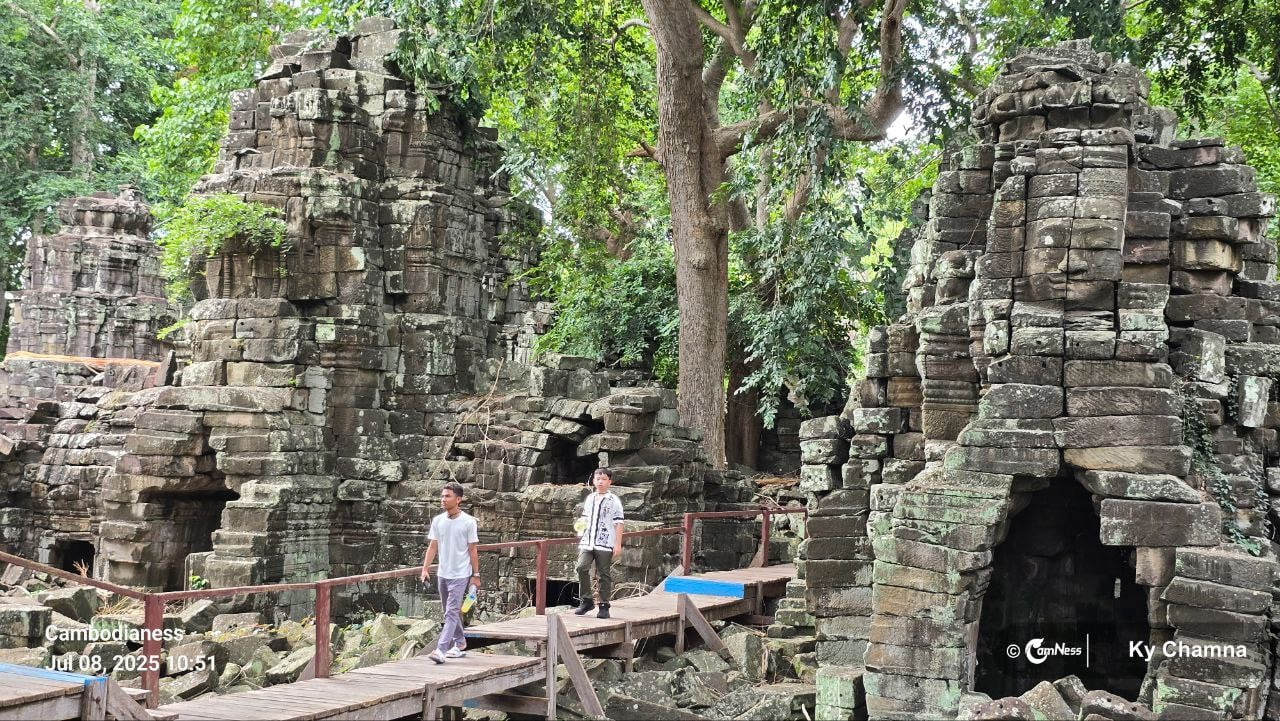
Banteay Chhmar temple.
- Ky Chamna
- July 12, 2025,
The temple of Banteay Chhmar has edged itself firmly into the history of Cambodia. Its grand size, stunning architectural design, sculptures and, today, dilapidation provoke mixed emotions: calmness, nostalgia, curiosity and a touch of sadness at its state.
Beside the capital of the Angkorian empire, which is today the Angkor Archaeological Park in Siem Reap province, Cambodia’s ancient cities with major temples still standing include Beng Mealea, Sambor Prei Kuk, Preah Khan of Kampong Svay, Angkor Borei as well as Banteay Chhmar.
Situated around 430 kilometers from Phnom Penh—an eight-hour drive on well-paved roads—and about 125 kilometers from Battambang City—a two-hour or so drive—Banteay Chhmar is a major archaeological site in present-day northwestern Cambodia.
Constructed in the 12th century by the famed Angkorian King Jayavarman VII, Banteay Chhmar exhibits many striking similarities to some major temples in his capital, which is today Angkor Park.
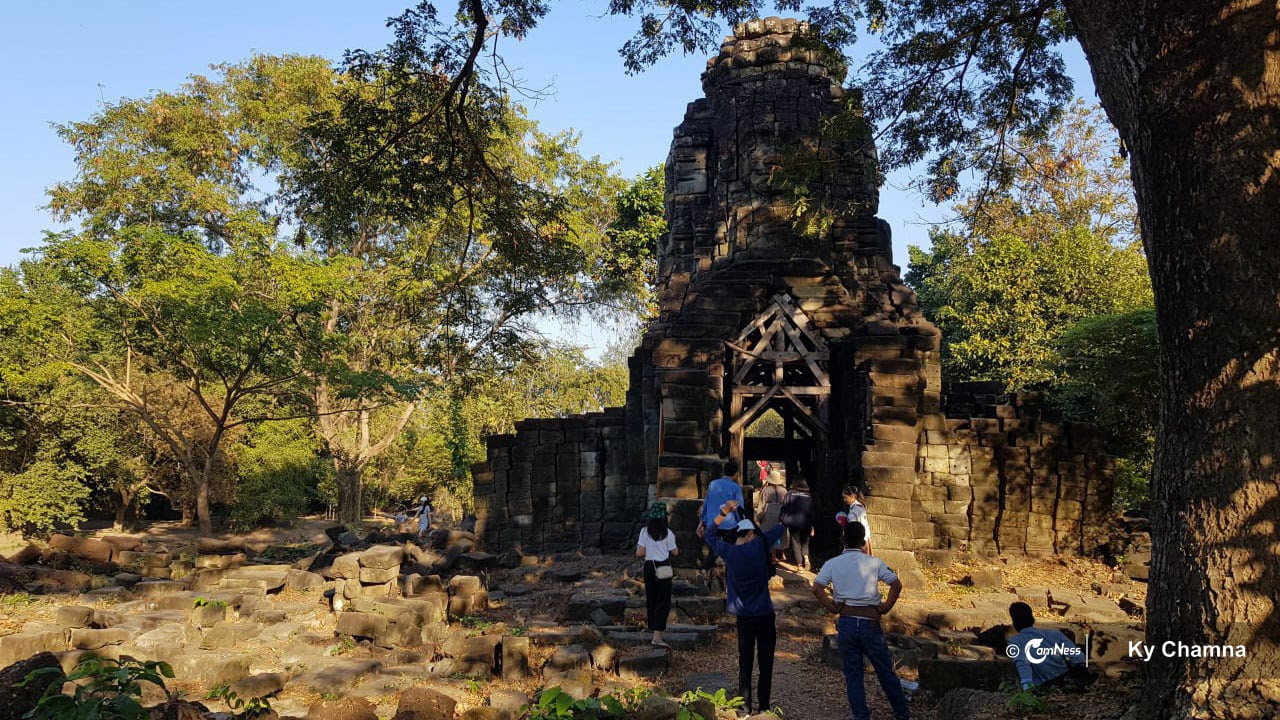
Surrounded by huge moats, Banteay Chhmar is architecturally complex. The site is filled with intricate chambers, hallways, entrances, and buildings of various sizes. From the outside, the causeways are adorned with giant statues pulling mythical serpents.
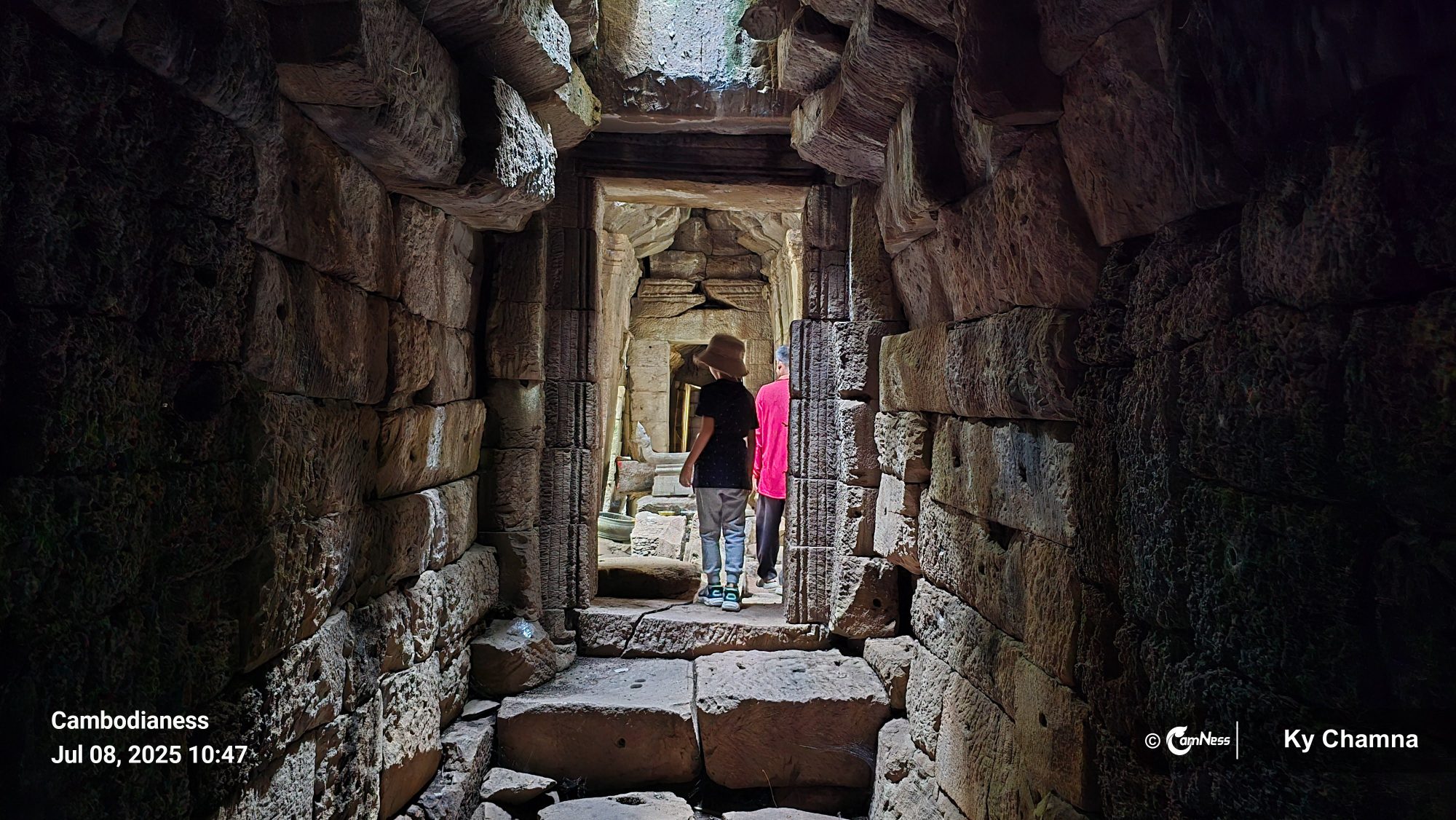
On the temple grounds, labyrinth-like mazes crisscross at symmetrical intervals, this made even more wondrous by the many towers with faces on each of their four sides, which is reminiscent to those of the Bayon temple at Angkor.
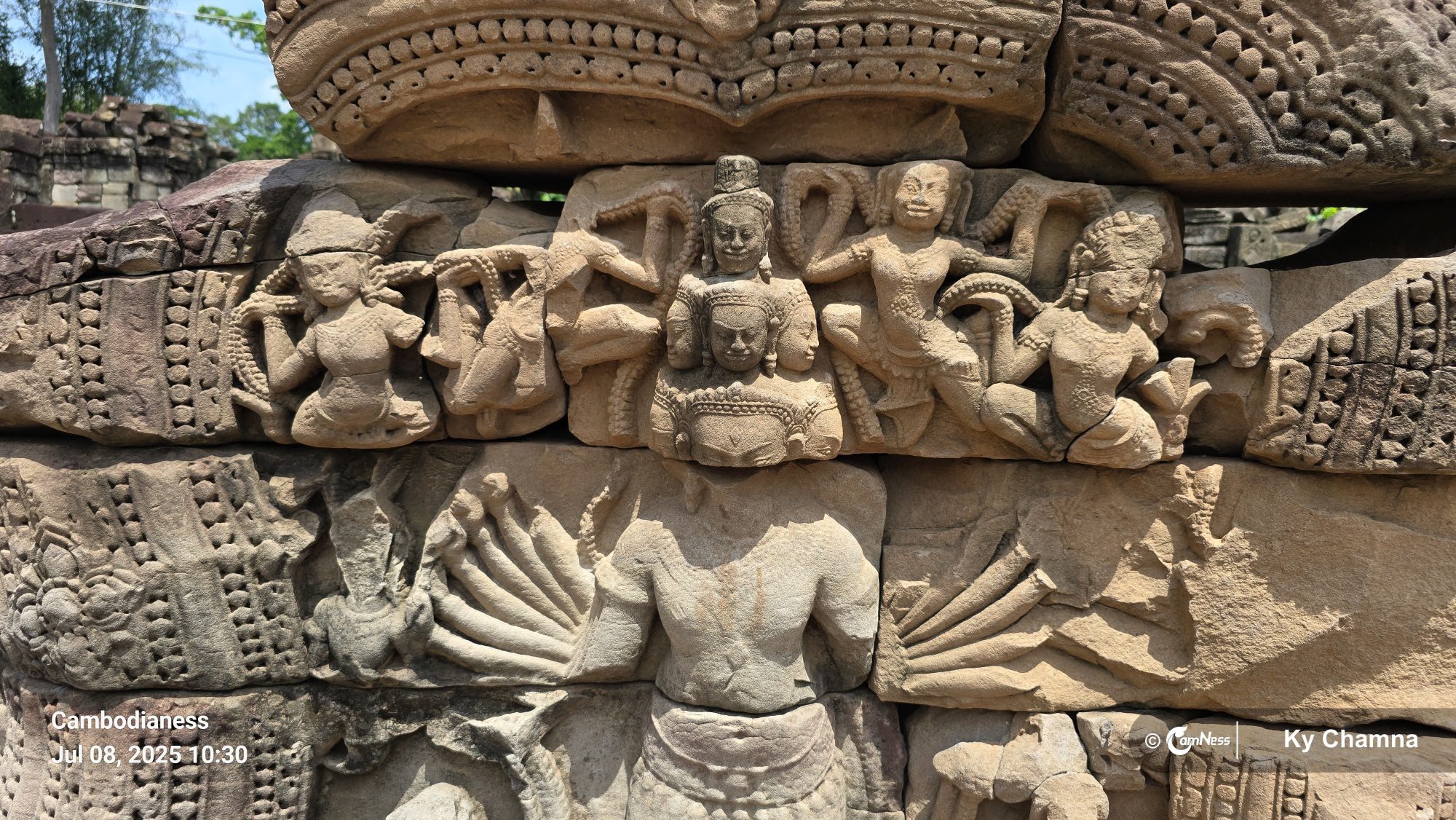
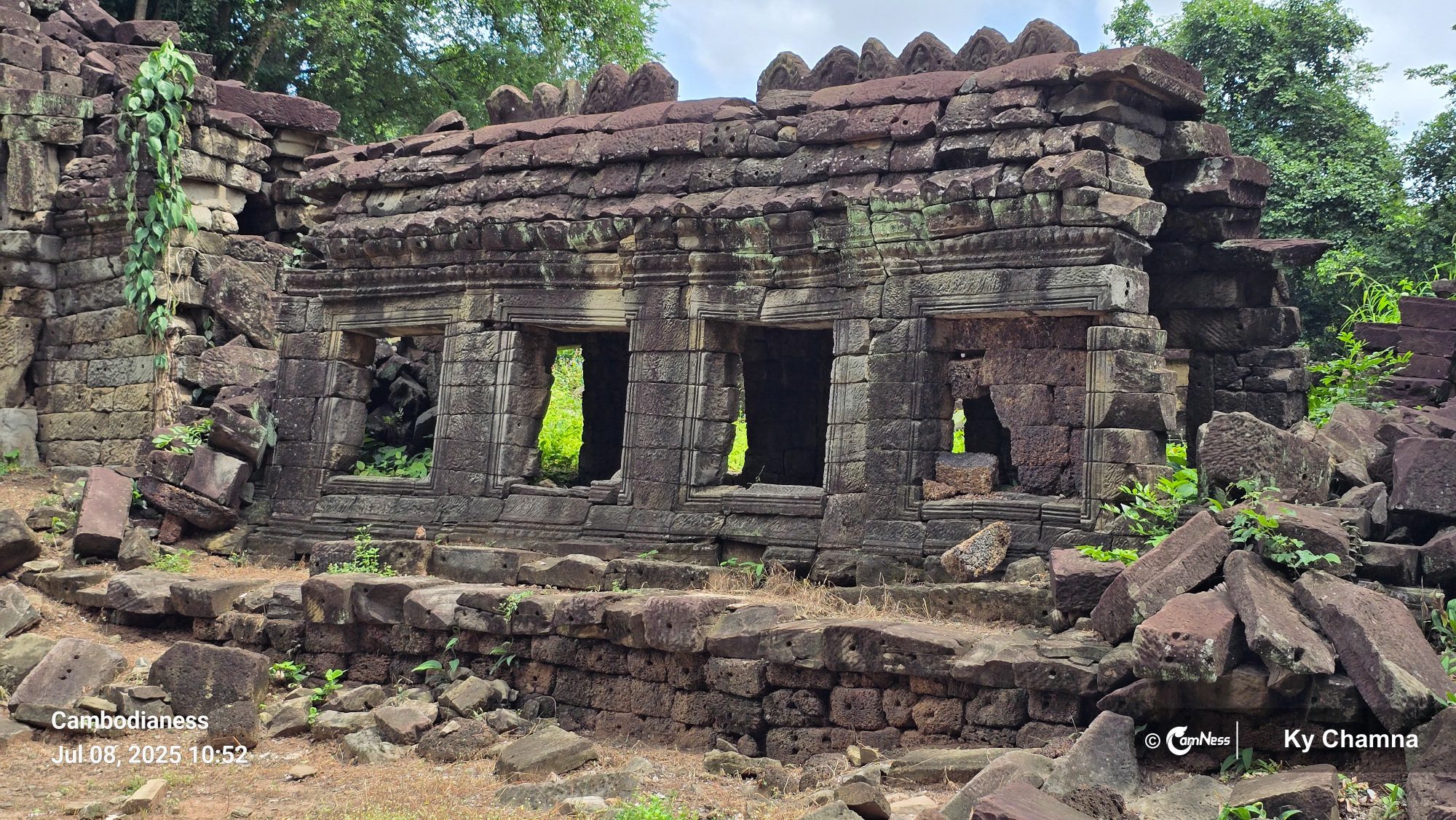
Lively floral motifs, religious sculptures and bas-reliefs appear on every inch of the stone surfaces, lintels and pediments. Hundreds of meters of stone galleries feature scenes of battles, mythological tales and people going about their daily chores.
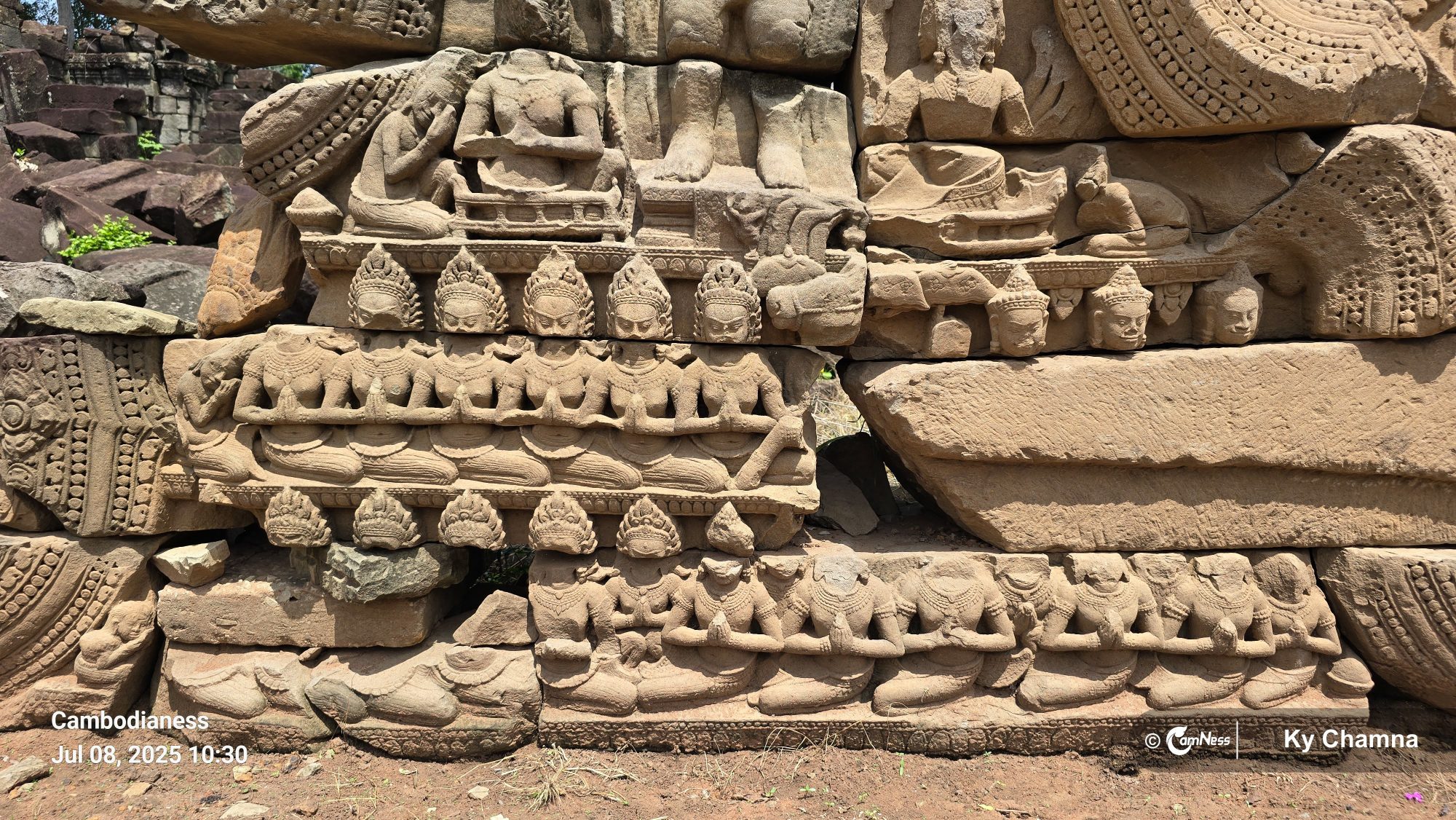
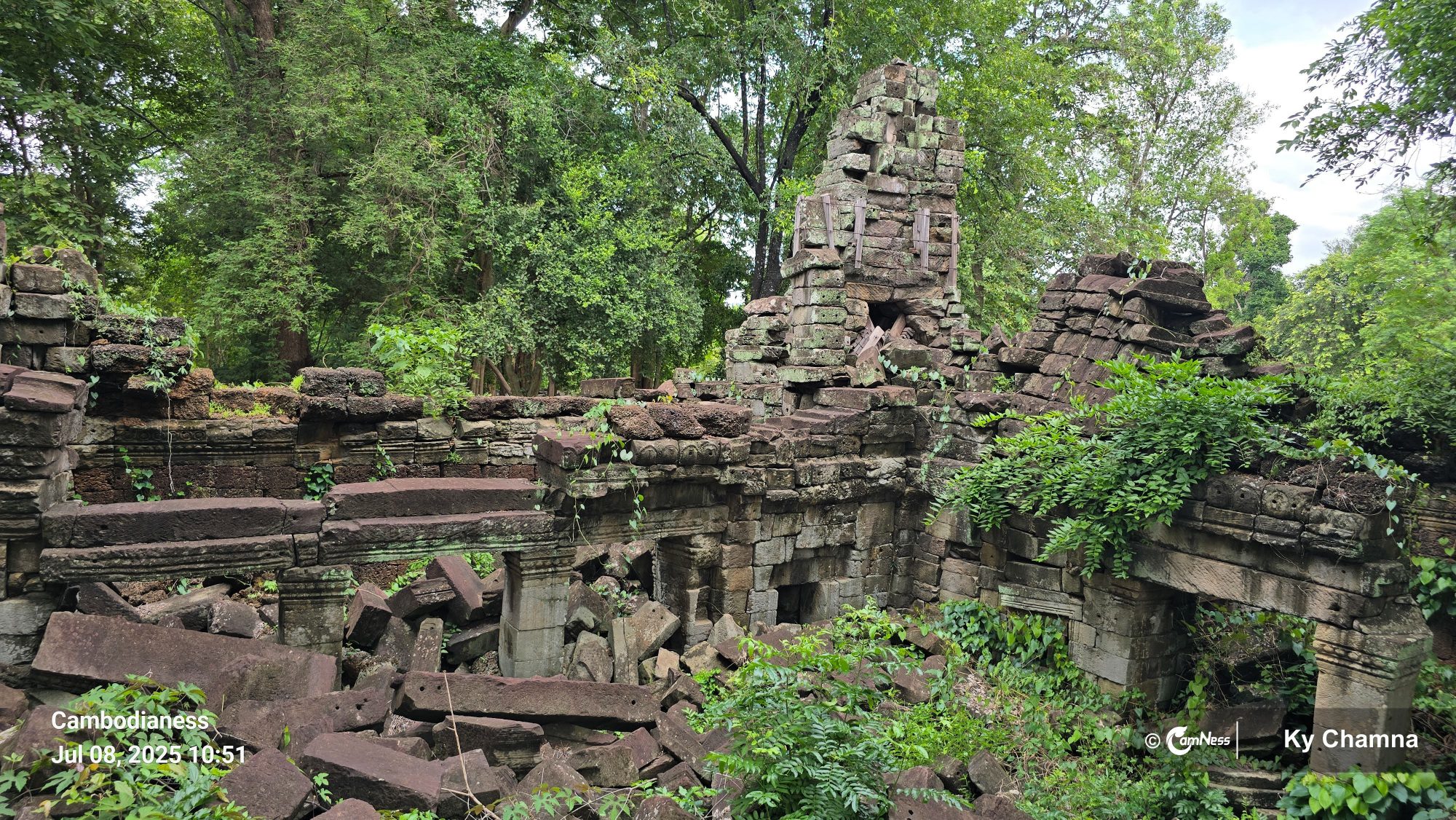
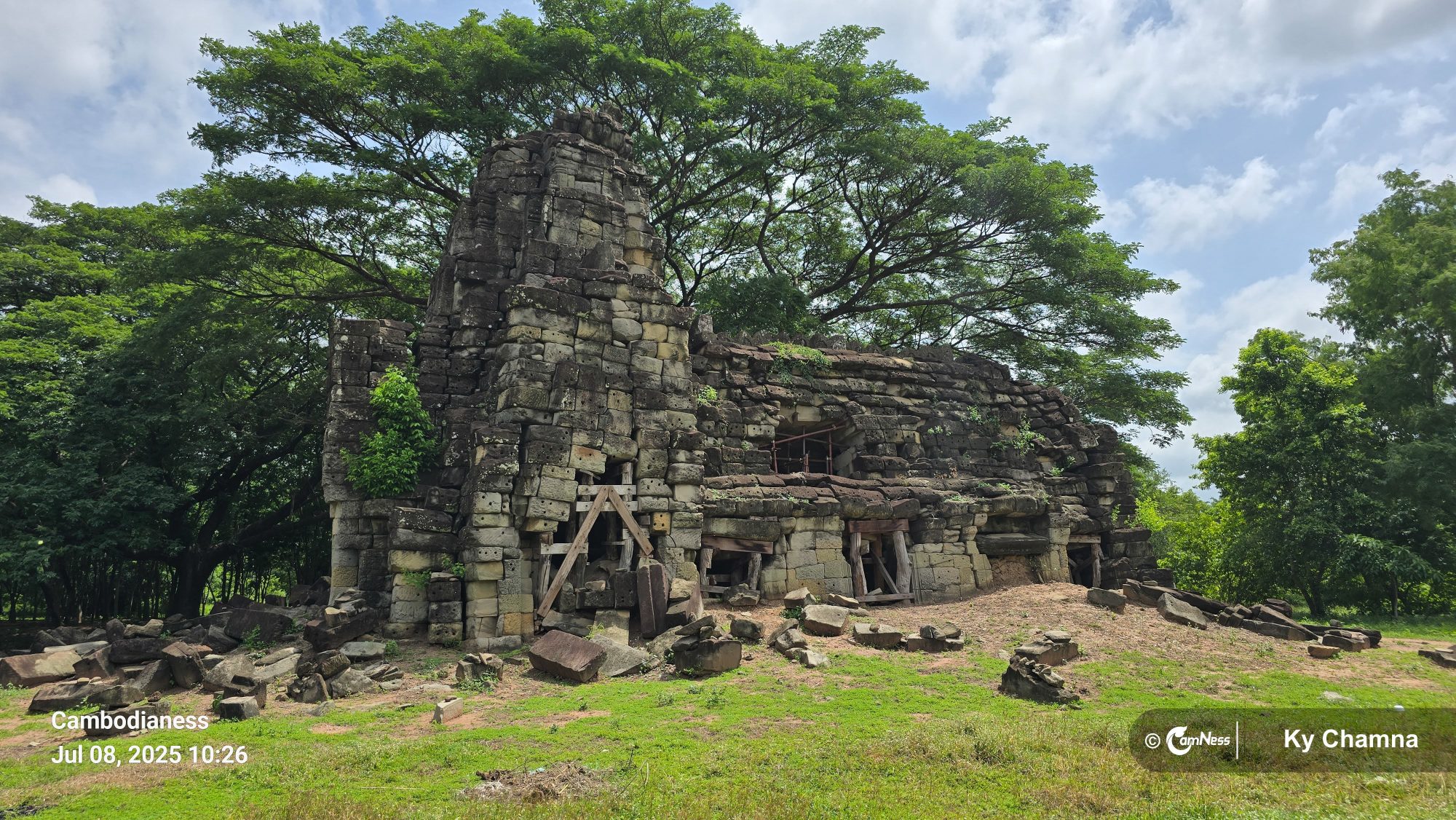
However, following centuries of battling the elements and being damaged during wars and conflicts, Banteay Chhmar has been left severely damaged with stone blocks having collapsed, and left in disarray despite various efforts made to restore the temple. As of now, going across the temple can be easier done by using the wooden footbridges and staircases, which enable visitors to more easily cross the areas with fallen stones.
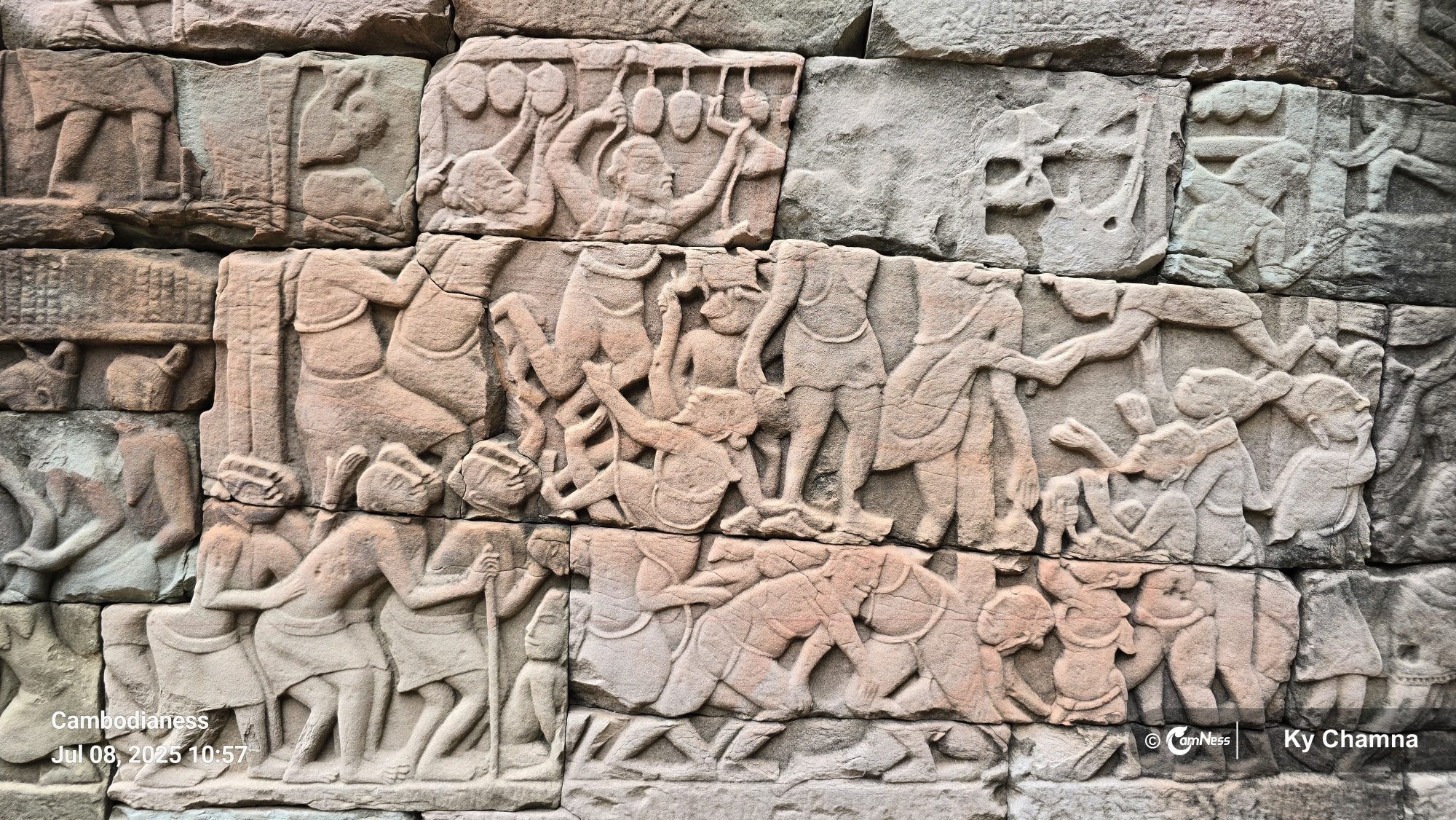
Although it is the biggest, Banteay Chhmar is far from the only temple in the vicinity. Surrounding it are numerous smaller temples in a radial pattern from the main structure. To the east, a large reservoir with a badly damaged temple in the middle holds a vast amount of water serving for religious and practical uses.
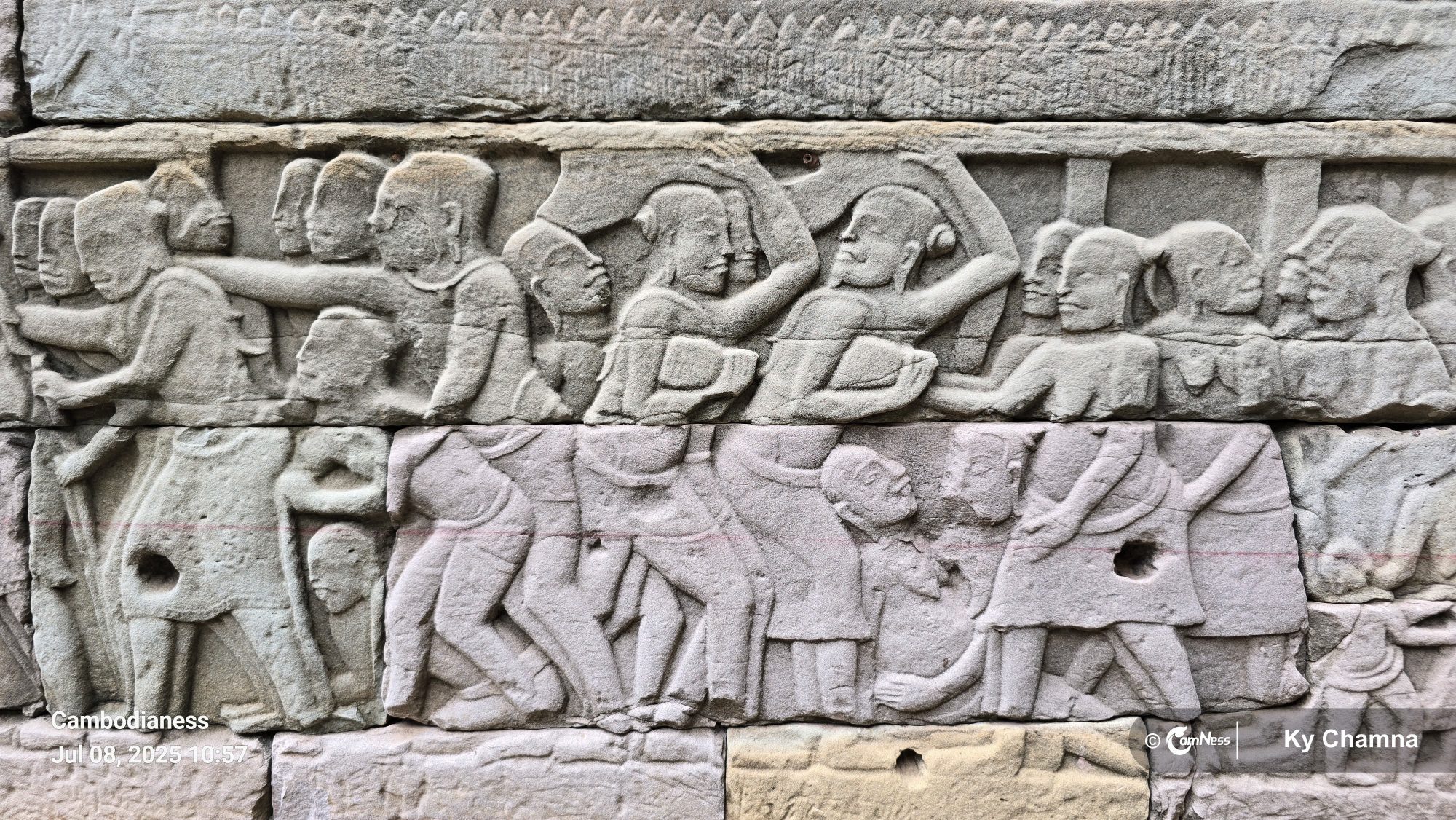
Despite its major historical significance, and maybe due to its location near the country’s western border, Banteay Chhmar is visited by less Cambodians and foreigners than the temples in Angkor Park